
Tag: infrastructure design
-

Chapter 11 – The Social Fabric: Health, Education, and Child Development
Most systems don’t fail. They work exactly as designed. The problem is what they produce when distance, time, and friction shape everyday decisions. From healthcare access to childhood movement, the built environment quietly determines how people participate in their own lives.
-
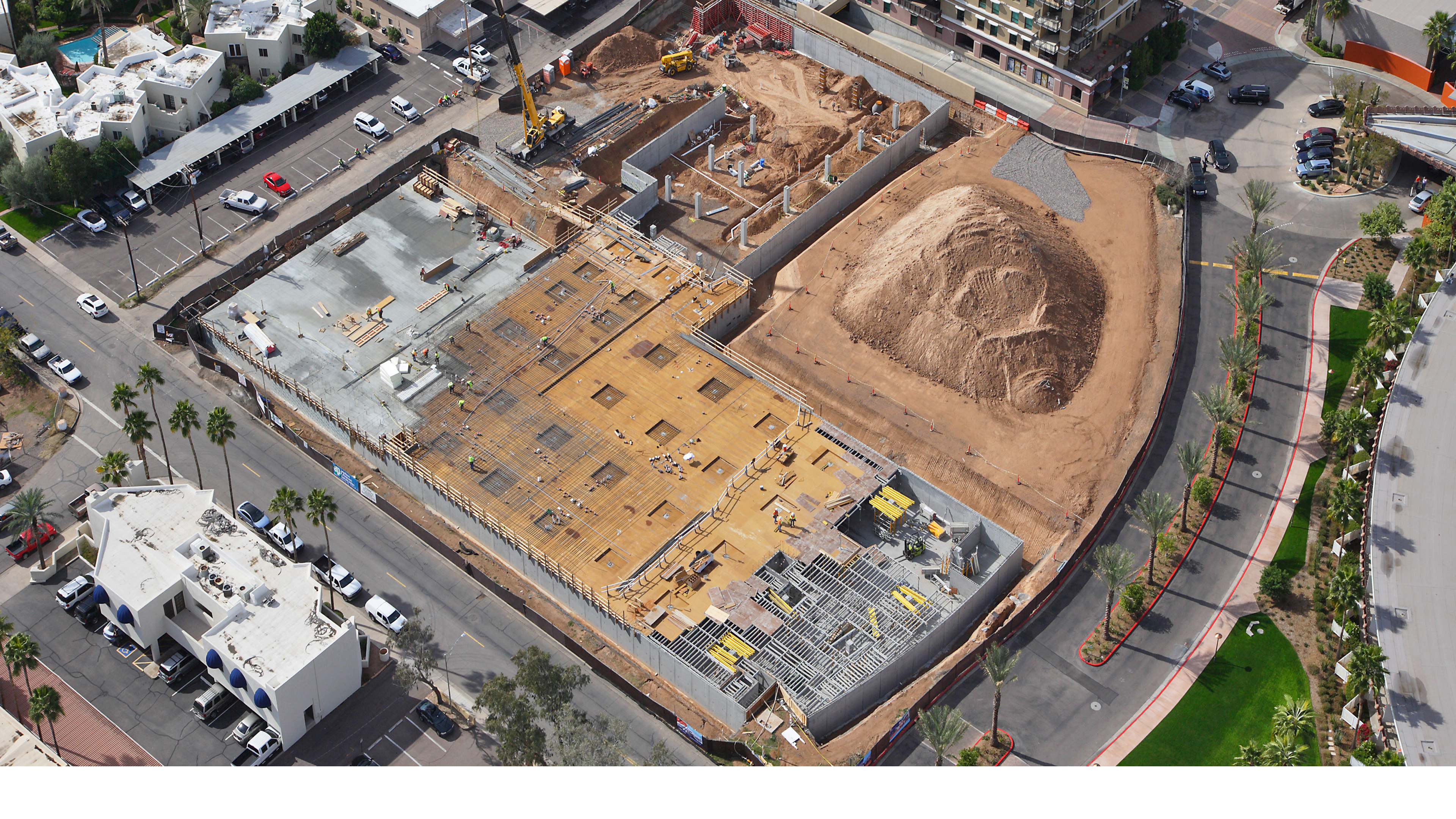
Chapter 9 – Circular Urbanism and the Design of Consequence
Recycling is not a complete solution. Contamination, cost, and material complexity limit what can actually be recovered, exposing waste as a design problem rather than a disposal problem. Circular urbanism reframes these flows—waste, energy, and materials—as interconnected systems that define how cities function, perform, and endure over time.
-

Chapter 8 – Waste, Water, and the Hidden Systems of the City
Every city is defined not by its skyline, but by what it carries away. Waste, water, and maintenance systems reveal the true structure of urban life—where health, power, and responsibility are determined over time.
You must be logged in to post a comment.