
Tag: UrbanDesign
-

5.6 · Steamboat Springs, Colorado – The Economics of Scarcity and Beauty
Steamboat Springs embodies the paradox of the modern American mountain town: a place defined by extraordinary beauty, western identity, and community memory, yet increasingly hollowed by housing scarcity, speculative capital, and exclusion through affordability. This chapter examines how geography, conservation, tourism, and governance transformed a working ranch town into a global lifestyle commodity—one where the…
-

5.4 · J.C. Nichols and the Kansas City Suburb – The Geometry of Aspiration
Kansas City’s Country Club Plaza, conceived by J.C. Nichols, reshaped American development by merging architecture, commerce, and landscape into the first automobile-oriented shopping district in the world. This chapter examines Nichols’s extraordinary design intelligence—his integration of beauty, mobility, and market value—while confronting the moral contradictions embedded in restrictive covenants and exclusionary planning. Country Club Plaza…
-
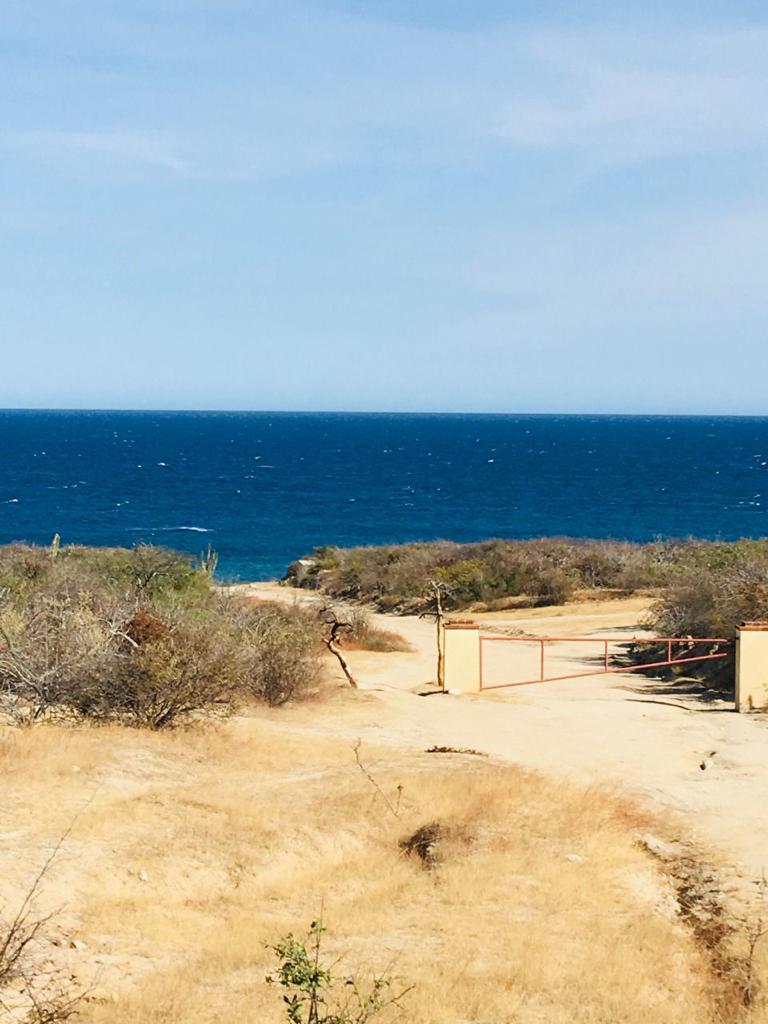
References and Bibliography
Reference Architecture serves as the intellectual framework beneath The Intelligent Republic—not merely a bibliography, but a structural map of the ideas, histories, systems, and disciplines informing the work. Organized across philosophy, urbanism, governance, economics, digital infrastructure, environmental policy, and applied practice, this curated foundation connects Vitruvius to AI, Jefferson to systems theory, and Wright to…
-

Epilogue – The Line Continues
Epilogue – The Line Continues closes The Intelligent Republic not as an ending, but as a handoff. Moving from clay lines to fiber optics, from blueprints to civic systems, it frames architecture as humanity’s enduring act of moral design. This final chapter calls on architects, planners, and citizens alike to treat truth, empathy, and proportion…
-
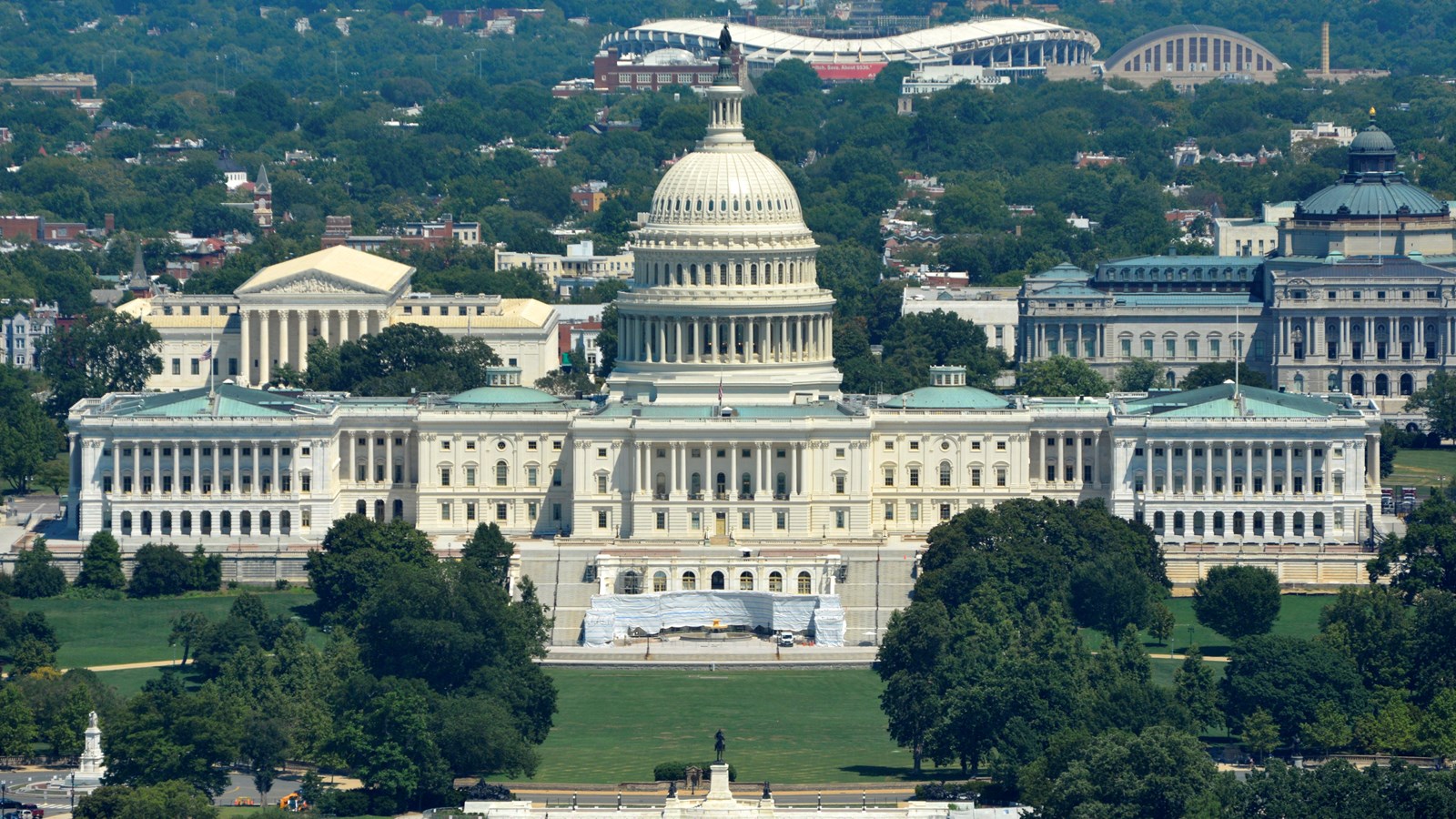
Chapter 16 – The Architecture of Load: Bridges, Republics, and the Mathematics of Failure
In Loads and Loyalties: A Truss, a Bridge, and a Republic, structural engineering becomes civic philosophy. Beginning with the mechanics of a 100-foot Pratt truss, this chapter traces how localized overload, failed members, and distorted feedback can trigger cascading collapse—not only in bridges, but in governments and societies. By linking stiffness, redundancy, and truthful measurement…
-

Chapter 15 – The URSI Model: Truth, Balance, and the Design of Stability
The URSI Model frames society as a load-bearing system shaped by prosperity, voice, future opportunity, and truthful feedback. Using a 10-point structural stress scale, the chapter compares postwar elasticity, present housing strain, projected civic pressure, and the moral load path of American healthcare. It argues that cultures, governments, and institutions remain alive only when feedback…
You must be logged in to post a comment.