
Tag: the intelligent republic
-

5.7 · Horton Plaza, San Diego – The Architecture of Experience
Horton Plaza reshaped downtown San Diego through bold postmodern architecture, theatrical retail, and urban reinvention. Jon Jerde’s landmark proved design could revive a city—then revealed how culture can outpace even the most radical architecture.
-

Chapter 15 – The URSI Model: Truth, Balance, and the Design of Stability
The URSI Model frames society as a load-bearing system shaped by prosperity, voice, future opportunity, and truthful feedback. Using a 10-point structural stress scale, the chapter compares postwar elasticity, present housing strain, projected civic pressure, and the moral load path of American healthcare. It argues that cultures, governments, and institutions remain alive only when feedback…
-
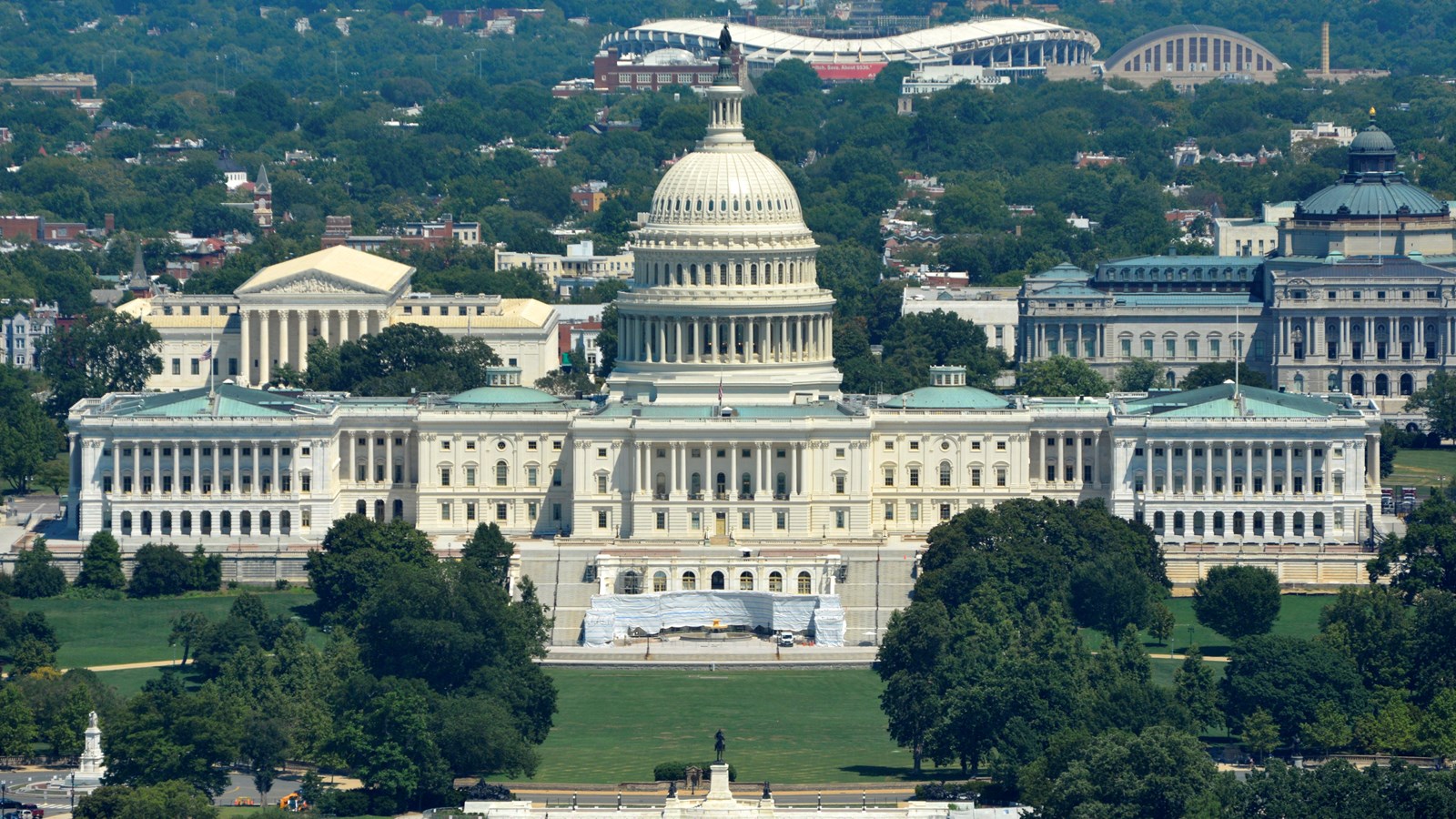
5.1 · Washington, D.C. – Geometry of Power
Washington, D.C. is America’s only city conceived entirely as a symbol, planned from principle rather than necessity. Designed in 1791 by Pierre Charles L’Enfant, its geometry organizes power, memory, and public space into a legible civic order. The Capitol, the White House, and the National Mall establish a framework where government is both visible and…
-
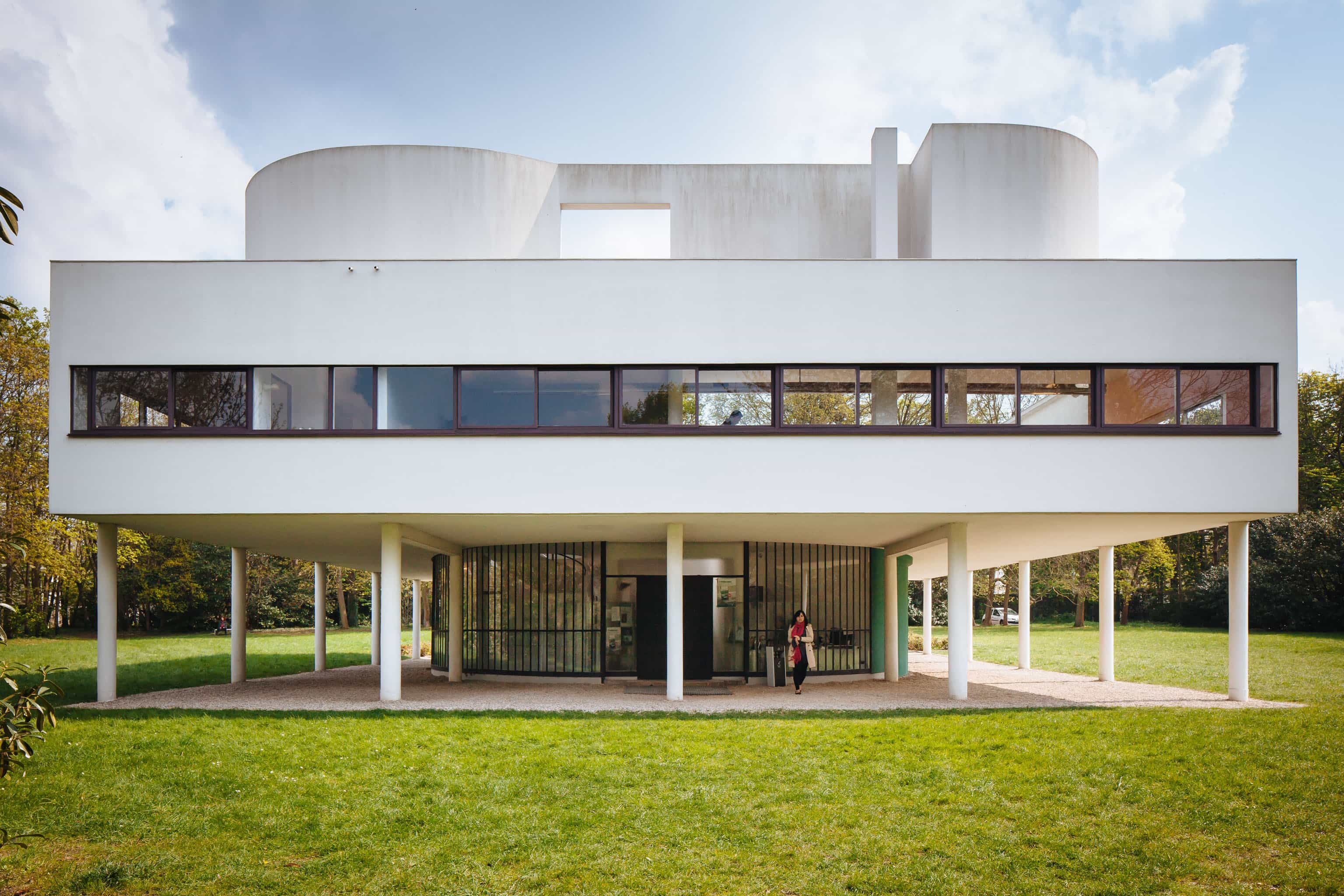
Chapter 4 – The Republic of Form
Architecture is never neutral—it is a reflection of belief. From modernist purity to humanist expression, this chapter explores how form shapes culture, memory, and identity. Through figures like Wright, Barragán, and Scarpa, and the experimental edge of Los Angeles, it reveals design as both discipline and rebellion.
-

Chapter 3 – The Middle Landscape
The American dream unfolded in the space between city and countryside. The middle landscape—suburbs, shopping centers, and edge cities—became the nation’s dominant form. This chapter examines how mobility, housing, and desire reshaped American life, revealing both the freedom and fragility embedded in the landscapes we built.
-
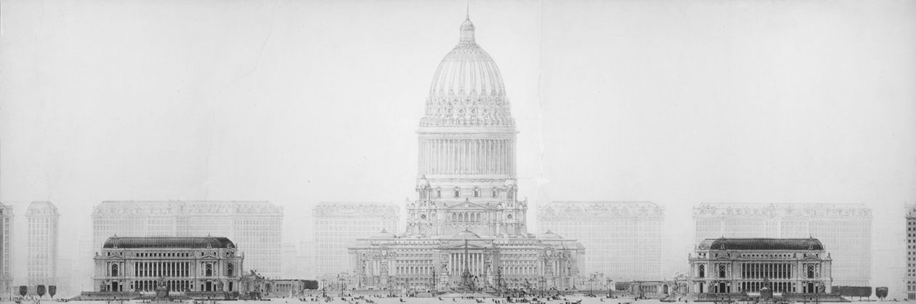
Chapter 2 – The Industrial Republic
The industrial republic transformed America from landscape to machine. Rail, steel, and capital reshaped cities into systems of production, redefining architecture, labor, and daily life. Through reform, resistance, and the voices that challenged it, this chapter reveals how progress built power—and exposed its moral limits.
-
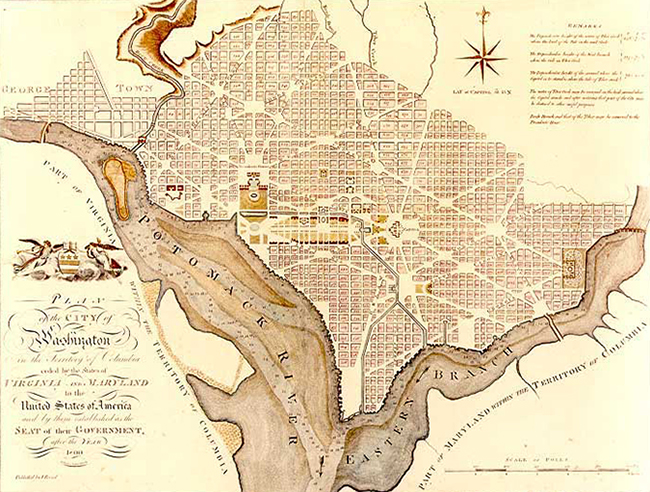
Chapter 1 – Origins of the American Idea
The American republic was drawn before it was built. From surveyor’s lines to founding city plans, this chapter explores how architecture and urban design shaped the nation’s earliest ideas of order, freedom, and civic life.
-
Preface – The Line and the Nation
The United States was first drawn before it was built. From Jefferson’s township grid to today’s digital infrastructure, design has shaped how Americans live, govern, and understand freedom. The Intelligent Republic explores how architecture, planning, and systems operate as instruments of both democracy and inequality—revealing the built environment as a record of national belief, ambition,…
-
Title Page
The Intelligent Republic examines how architecture and urban design shape the American experiment. From Jefferson’s grid to modern infrastructure, it explores the built environment as a reflection of civic values, economic systems, and cultural identity.
You must be logged in to post a comment.