
Tag: built environment
-
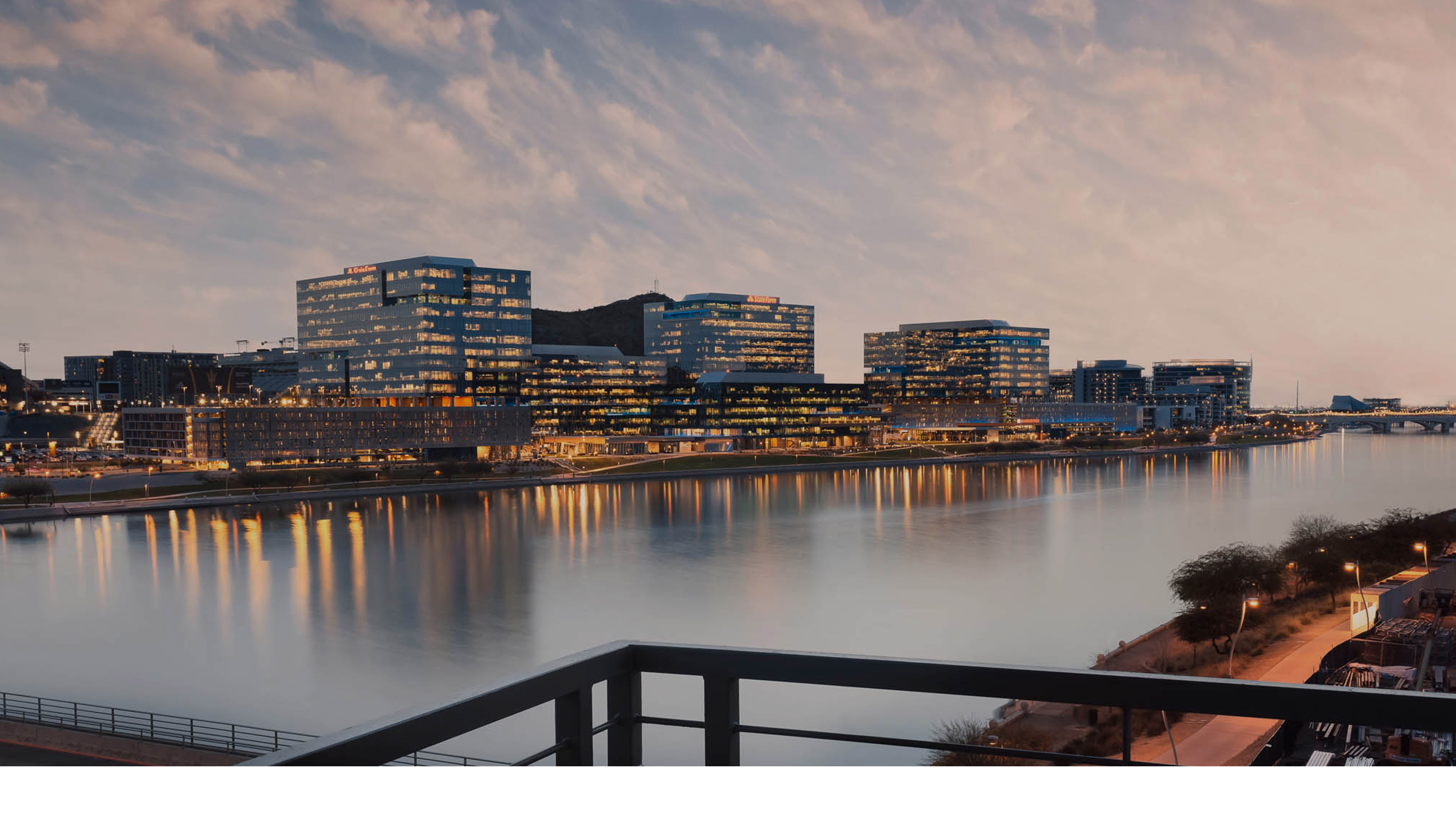
Chapter 13 – Policy, Power, and the Economics of Control
Before a building is ever constructed, it is shaped by a system most people never see. Drawings move through layers of review, time stretches, and decisions are filtered through process rather than outcome. What appears to be a neutral structure reveals itself as something else entirely, a system that determines what gets built, what gets…
-

Chapter 12 – Commerce and Consumption: The Architecture of Everyday Life
A man pulls into a parking lot and makes a decision he barely notices. Where he parks and how he enters shape the entire experience, revealing how small choices drive larger systems.
-
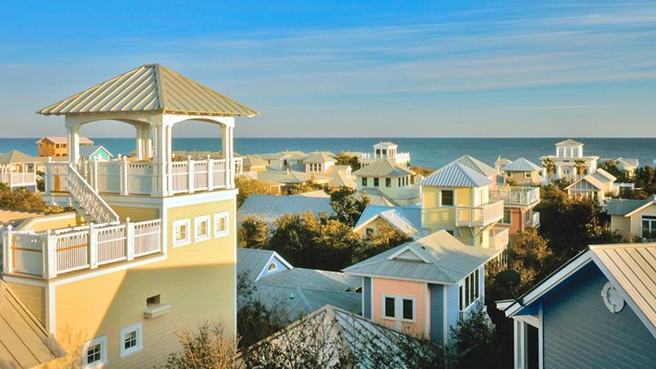
Chapter 11 – The Social Fabric: Health, Education, and Child Development
Most systems don’t fail. They work exactly as designed. The problem is what they produce when distance, time, and friction shape everyday decisions. From healthcare access to childhood movement, the built environment quietly determines how people participate in their own lives.
-

Chapter 10 – The Geography of Ambition
Cities grow through ambition, but endure through discipline. Geography, resources, and infrastructure define what can be built and what can last. When decisions are based on flawed information, design fails, revealing how cities actually function over time.
-
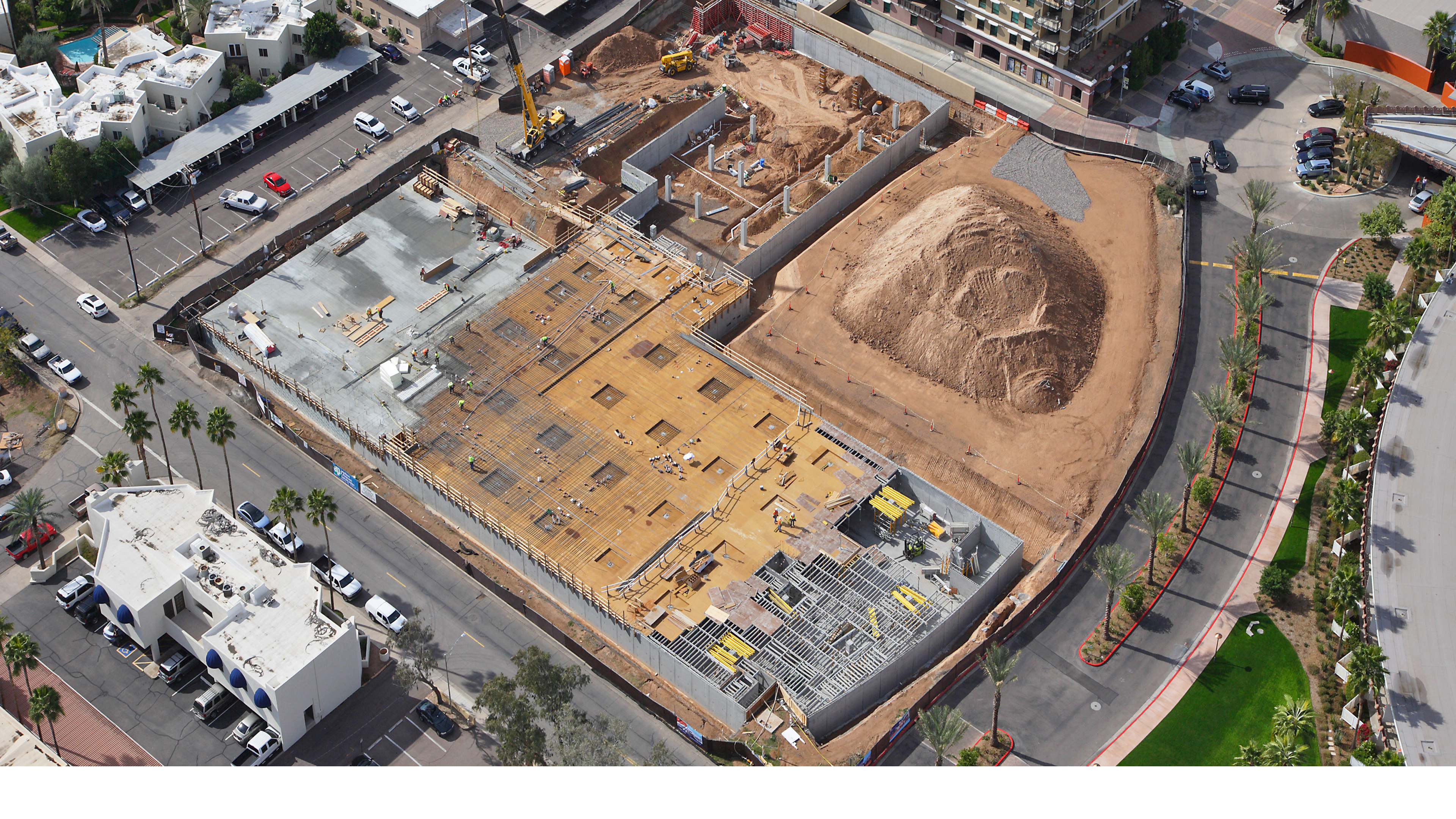
Chapter 9 – Circular Urbanism and the Design of Consequence
Recycling is not a complete solution. Contamination, cost, and material complexity limit what can actually be recovered, exposing waste as a design problem rather than a disposal problem. Circular urbanism reframes these flows—waste, energy, and materials—as interconnected systems that define how cities function, perform, and endure over time.
-
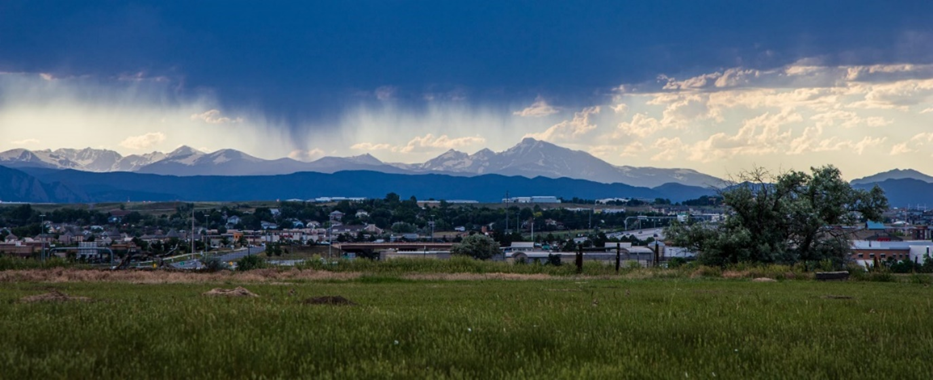
Chapter 5 – Case Studies: Building the Nation
Chapter 5 assembles a series of case studies examining American cities through urban design, governance, and economic structure. Each study analyzes how spatial organization and policy shape civic life, revealing patterns across regions and time. Together, these examples establish a comparative framework that grounds the broader economic and social arguments that follow.
-
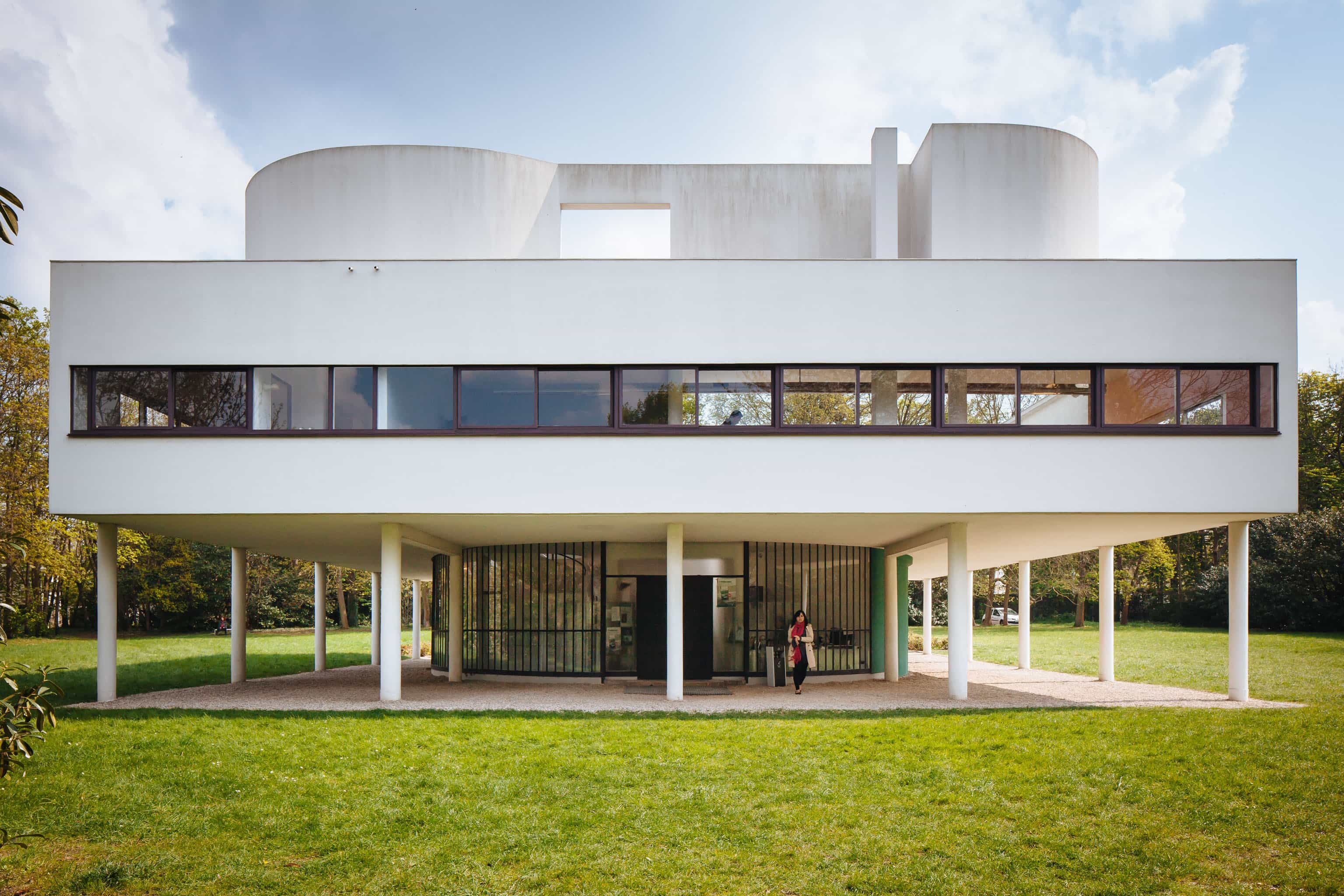
Chapter 4 – The Republic of Form
Architecture is never neutral—it is a reflection of belief. From modernist purity to humanist expression, this chapter explores how form shapes culture, memory, and identity. Through figures like Wright, Barragán, and Scarpa, and the experimental edge of Los Angeles, it reveals design as both discipline and rebellion.
-

Chapter 3 – The Middle Landscape
The American dream unfolded in the space between city and countryside. The middle landscape—suburbs, shopping centers, and edge cities—became the nation’s dominant form. This chapter examines how mobility, housing, and desire reshaped American life, revealing both the freedom and fragility embedded in the landscapes we built.
-
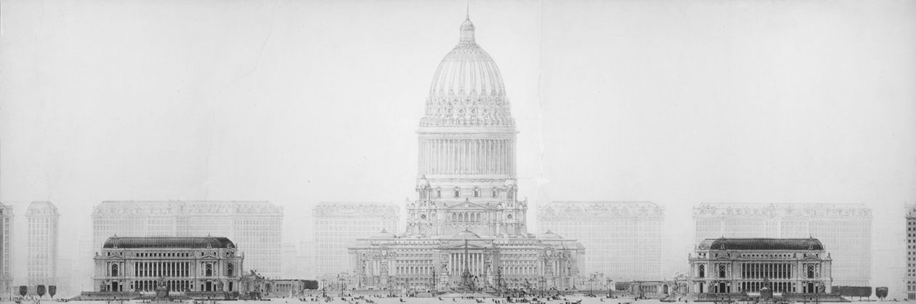
Chapter 2 – The Industrial Republic
The industrial republic transformed America from landscape to machine. Rail, steel, and capital reshaped cities into systems of production, redefining architecture, labor, and daily life. Through reform, resistance, and the voices that challenged it, this chapter reveals how progress built power—and exposed its moral limits.
-
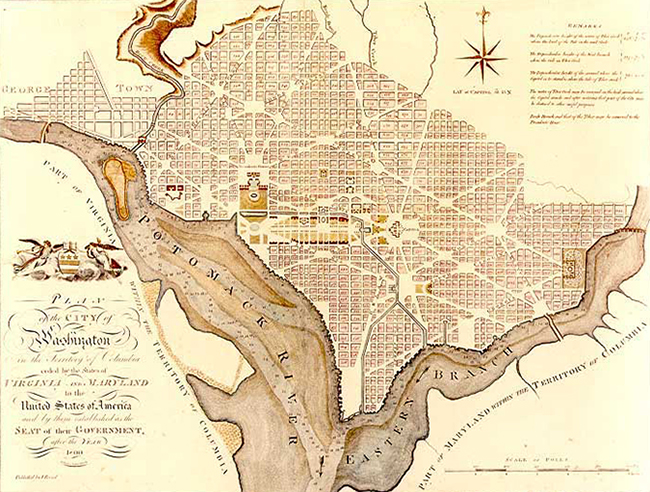
Chapter 1 – Origins of the American Idea
The American republic was drawn before it was built. From surveyor’s lines to founding city plans, this chapter explores how architecture and urban design shaped the nation’s earliest ideas of order, freedom, and civic life.
You must be logged in to post a comment.