
Category: Case Studies
-

5.12 · Orange County, California – The Suburban Frontier
Orange County transformed citrus groves into one of America’s defining suburban landscapes. This case study examines master-planned Irvine, decentralized urban form, architecture, real-estate economics and the environmental limits of the Southern California suburban ideal.
-
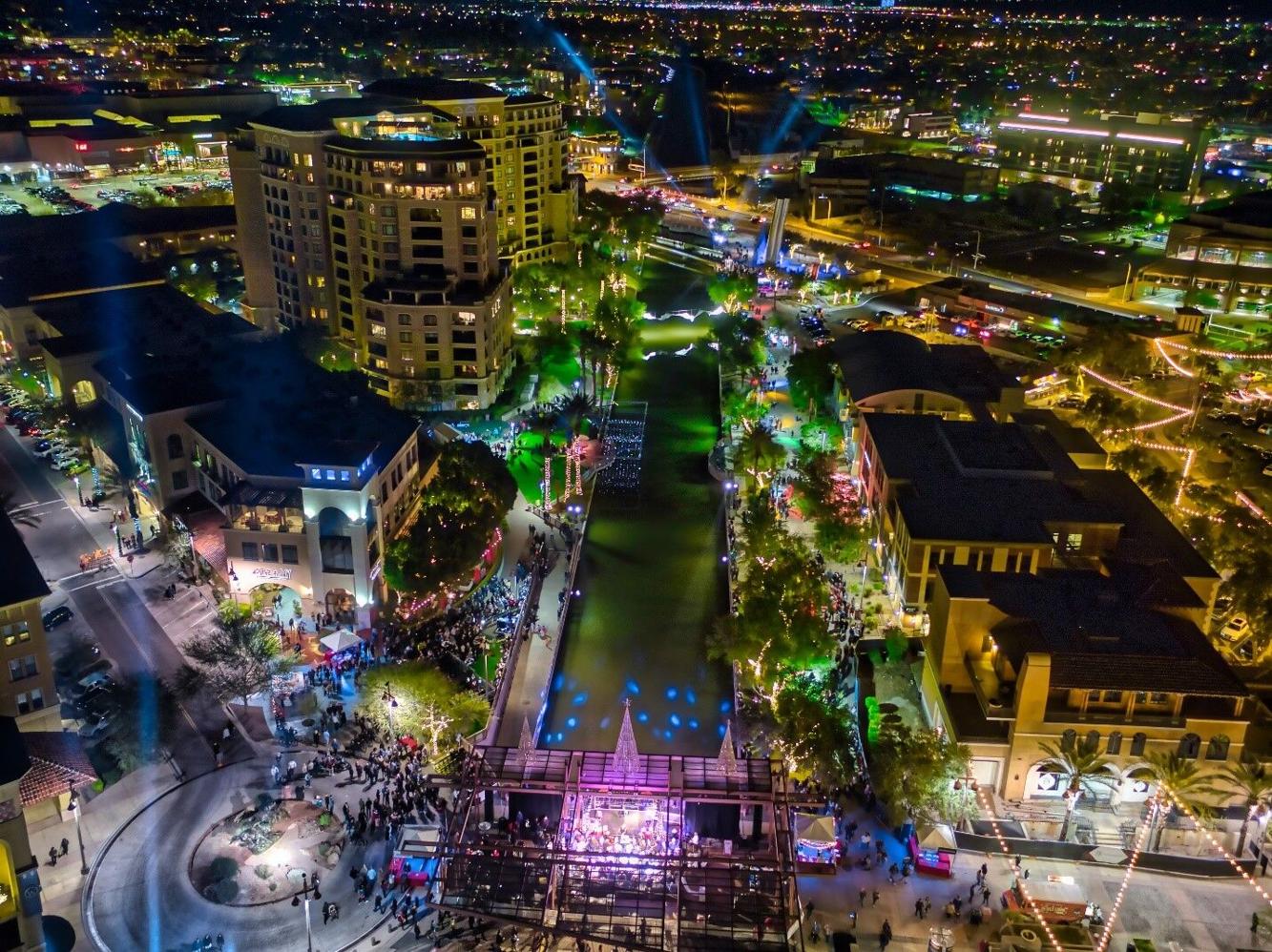
5.11 · Downtown Scottsdale, Arizona – The Engineered Oasis
Scottsdale transformed a utilitarian desert canal into one of Arizona’s most recognizable urban districts. This case study examines the Scottsdale Waterfront, architecture, public space, redevelopment, desert urbanism, and the economic forces that reshaped downtown.
-
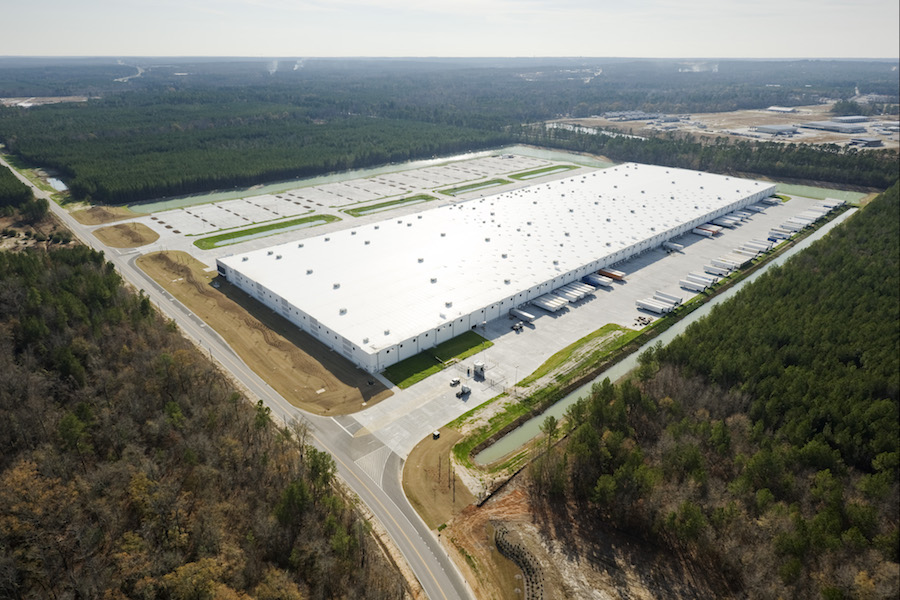
5.10 · Amazon Distribution Networks – Infrastructure as Urbanism
Amazon’s fulfillment centers reveal the invisible architecture of modern America: a logistics landscape of vast warehouses, algorithmic movement, automated labor, transportation networks, and regional infrastructure reshaped around speed, scale, and consumption.
-
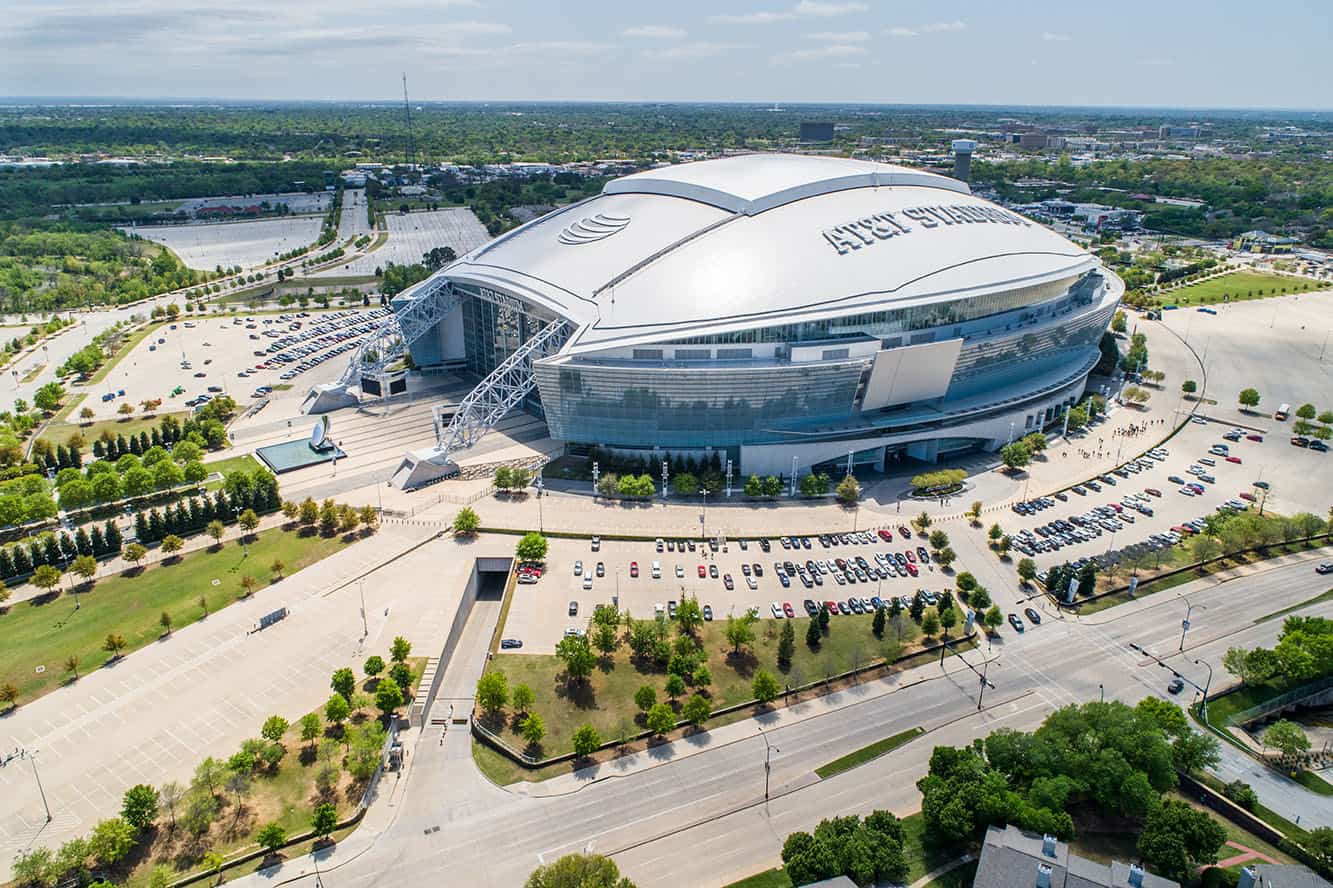
5.9 · AT&T Stadium, Arlington, Texas – Architecture as Spectacle
AT&T Stadium transforms professional football into immersive theater: a vast civic spectacle of structure, media, crowd energy, public finance, private profit, and American ambition.
-

5.8 · Mall of America, Minnesota – Consumption as Civic Space
The Mall of America represents the culmination of the American shopping mall: a privatized city of consumption where retail, entertainment, climate control, spectacle, and simulated civic life were gathered under one roof.
-

5.7 · Horton Plaza, San Diego – The Architecture of Experience
Horton Plaza reshaped downtown San Diego through bold postmodern architecture, theatrical retail, and urban reinvention. Jon Jerde’s landmark proved design could revive a city—then revealed how culture can outpace even the most radical architecture.
-

5.6 · Steamboat Springs, Colorado – The Economics of Scarcity and Beauty
Steamboat Springs embodies the paradox of the modern American mountain town: a place defined by extraordinary beauty, western identity, and community memory, yet increasingly hollowed by housing scarcity, speculative capital, and exclusion through affordability. This chapter examines how geography, conservation, tourism, and governance transformed a working ranch town into a global lifestyle commodity—one where the…
-
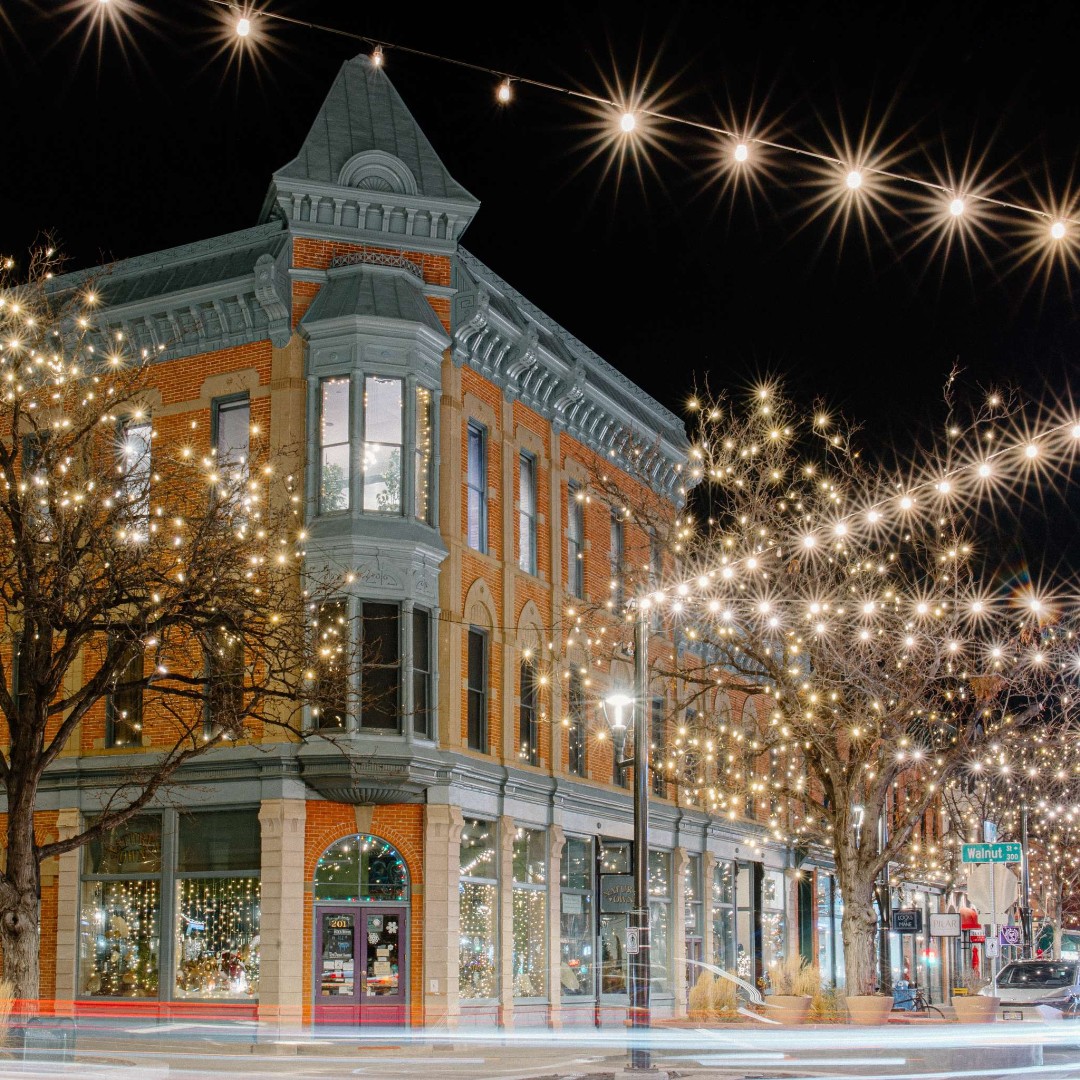
5.5 · Fort Collins, Colorado – Main Street and the American Imagination
Did Fort Collins help inspire Disneyland’s Main Street, U.S.A.? Whether myth or truth, the comparison reveals something deeper: Fort Collins embodies the physical memory of the American town. This case study explores how preservation, pedestrian design, and civic continuity transformed a threatened frontier downtown into one of the nation’s most successful urban revitalization models—while raising…
-
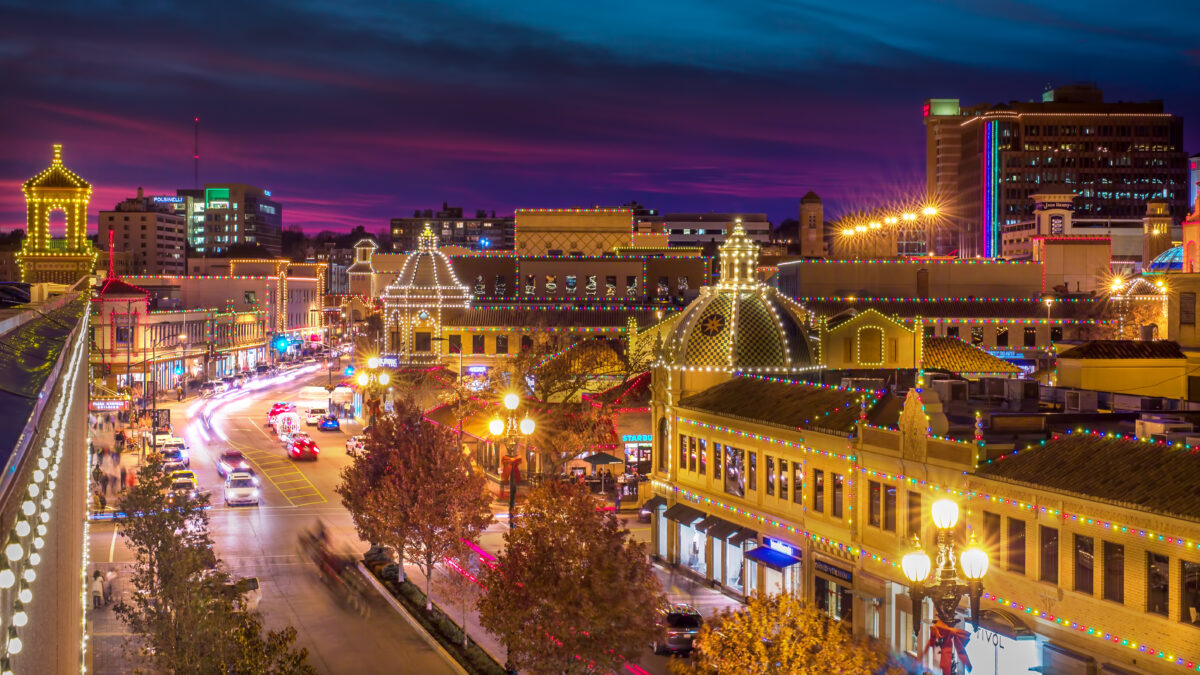
5.4 · J.C. Nichols and the Kansas City Suburb – The Geometry of Aspiration
Kansas City’s Country Club Plaza, conceived by J.C. Nichols, reshaped American development by merging architecture, commerce, and landscape into the first automobile-oriented shopping district in the world. This chapter examines Nichols’s extraordinary design intelligence—his integration of beauty, mobility, and market value—while confronting the moral contradictions embedded in restrictive covenants and exclusionary planning. Country Club Plaza…
-
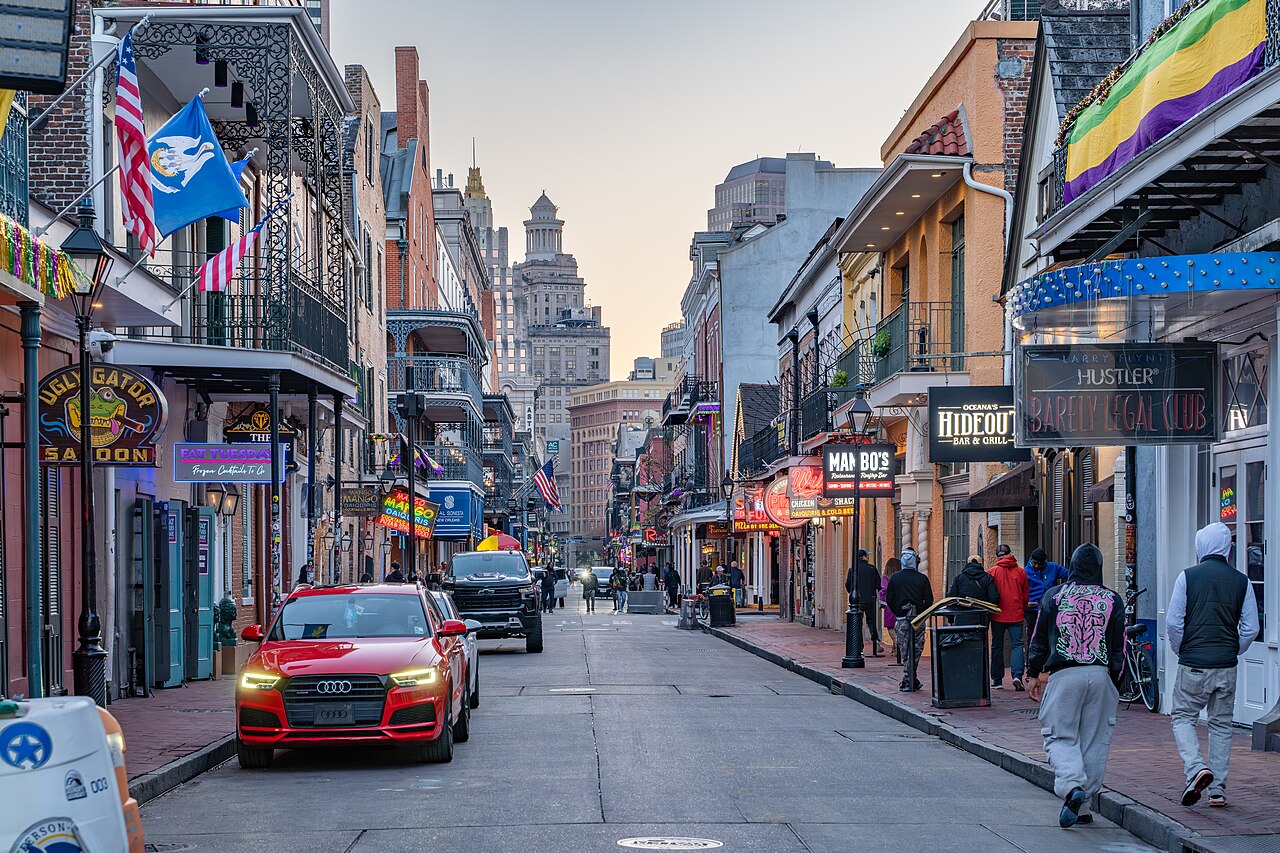
5.3 · New Orleans, Louisiana – The Delta of Memory
New Orleans is a city built in negotiation with water, memory, and loss. Set within the unstable geography of the Mississippi delta, its architecture reflects adaptation rather than control: raised houses, layered streets, improvised repairs, and a culture that turns vulnerability into identity. More than preservation alone, the city reveals how place can endure through…
You must be logged in to post a comment.